Discover Japan’s Shrines Through Omikuji: A Journey Full of Character and Charm

When planning a trip to Japan, you’ve probably seen photos of bright red torii gates and the tranquil beauty of Shinto shrines.
But once you actually visit one, you’ll realize these sacred places are far too special to just pass through with your camera.
Among the many small joys you can experience at a shrine, drawing an omikuji—a traditional paper fortune—adds a special touch to your journey.
In this article, we’ll explore Japan’s shrine culture and introduce some unique places where you can enjoy omikuji with a twist.
From adorable fortunes you’ll want to keep as souvenirs to shrines with their own distinct charm, here’s a guide to making your shrine visit even more memorable.
What is ‘Omikuji’?
Omikuji are traditional Japanese paper fortunes that reveal your luck and offer words of guidance.
For a small offering—usually around 100 to 300 yen—you draw a slip of paper from a box or pick a tiny envelope at a shrine or temple to discover your fortune.
If you receive a good result, you keep it close as a lucky charm. If the result isn’t so favorable, it’s customary to tie the paper to a tree or a special rack within the shrine grounds, leaving the bad luck behind.
More than just fortune-telling, omikuji offer a glimpse into Japan’s age-old beliefs, values, and the gentle ways people express their hopes and prayers.
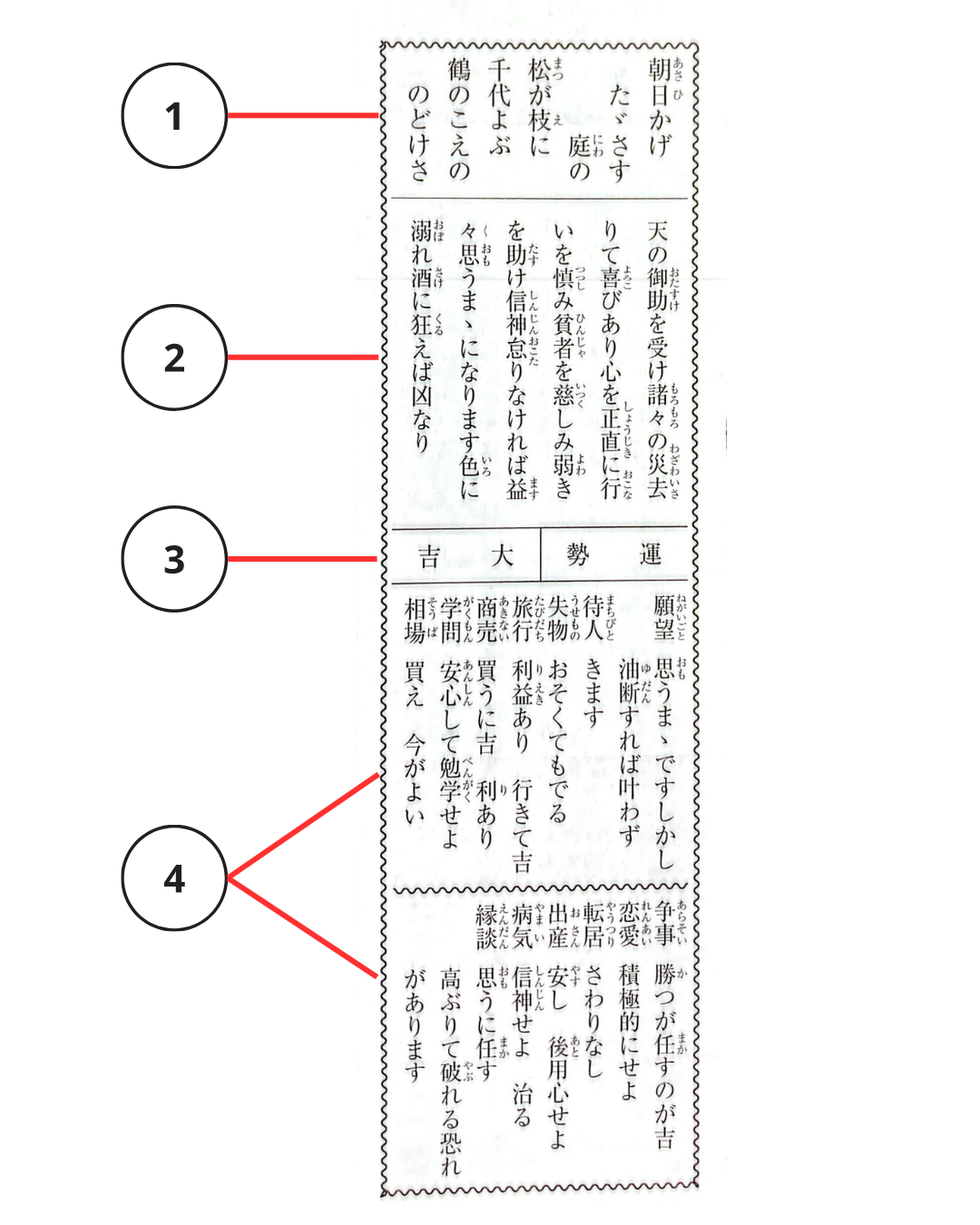
① Poem or Verse Section
→ At the beginning of an omikuji, you’ll often find a short poem or waka (classical Japanese verse) that symbolically represents your overall fortune.
(Example: It may use imagery of nature, seasons, birds, or divine blessings to express your destiny.)
② Main Text / Words of Guidance
→ This section contains specific advice about your fortune, written like a message or teaching from the gods.
(Example: “Act with honesty and you will prosper,” or “Giving in to temptation invites misfortune”—words meant to guide one’s life.)
③ Fortune Result Section
→ This is the most important part of the omikuji, where your overall fortune is revealed.
It’s expressed with words such as Daikichi (Great Blessing), Chūkichi (Middle Blessing), Shōkichi (Small Blessing), Kichi (Blessing), and Kyō (Curse) to show how good or bad your luck is.
In general, fortunes are ranked in the following order: Daikichi → Chūkichi → Shōkichi → Kichi → Suekichi (Future Blessing) → Kyō → Daikyō (Great Curse).
④ Individual Fortune Categories
→ This section gives one-line fortunes or advice for specific aspects of life, such as wish, person you’re waiting for, travel, business, studies, love, and marriage prospects.
Unique Omikuji Spots Full of Character
Fushimi Inari Taisha (Kyoto)

One of Kyoto’s most iconic shrines, Fushimi Inari Taisha is famous for its endless rows of bright red torii gates that wind up the mountainside like a tunnel, creating a breathtaking, otherworldly view.
After drawing your omikuji here, you can write your wish and hang it within the shrine grounds.
The fox, a symbol of this shrine, is believed to be a messenger of the gods and is especially popular among visitors praying for business success and good fortune.
Okazaki Shrine (Kyoto)
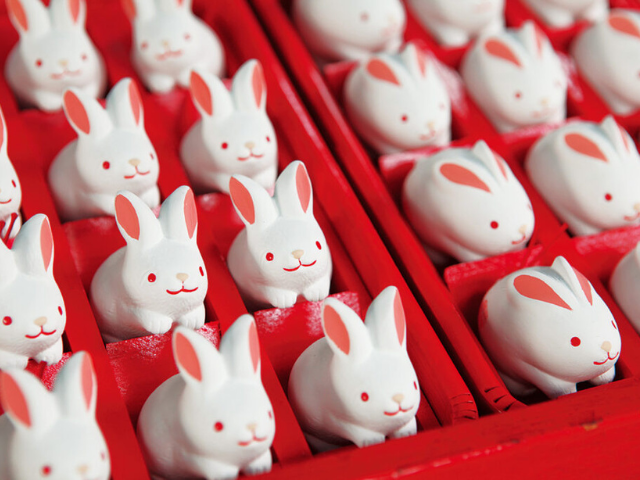
Known as a shrine for love and matchmaking, Okazaki Shrine offers omikuji tucked inside adorable rabbit-shaped ceramic figures with gentle expressions.
After reading your fortune, you can take the little rabbit home as a keepsake, making it especially popular among women.
Even the act of making a wish here becomes a picture-perfect moment—the shrine’s charm is as photogenic as it is heartfelt.
Kifune Shrine (Kyoto)
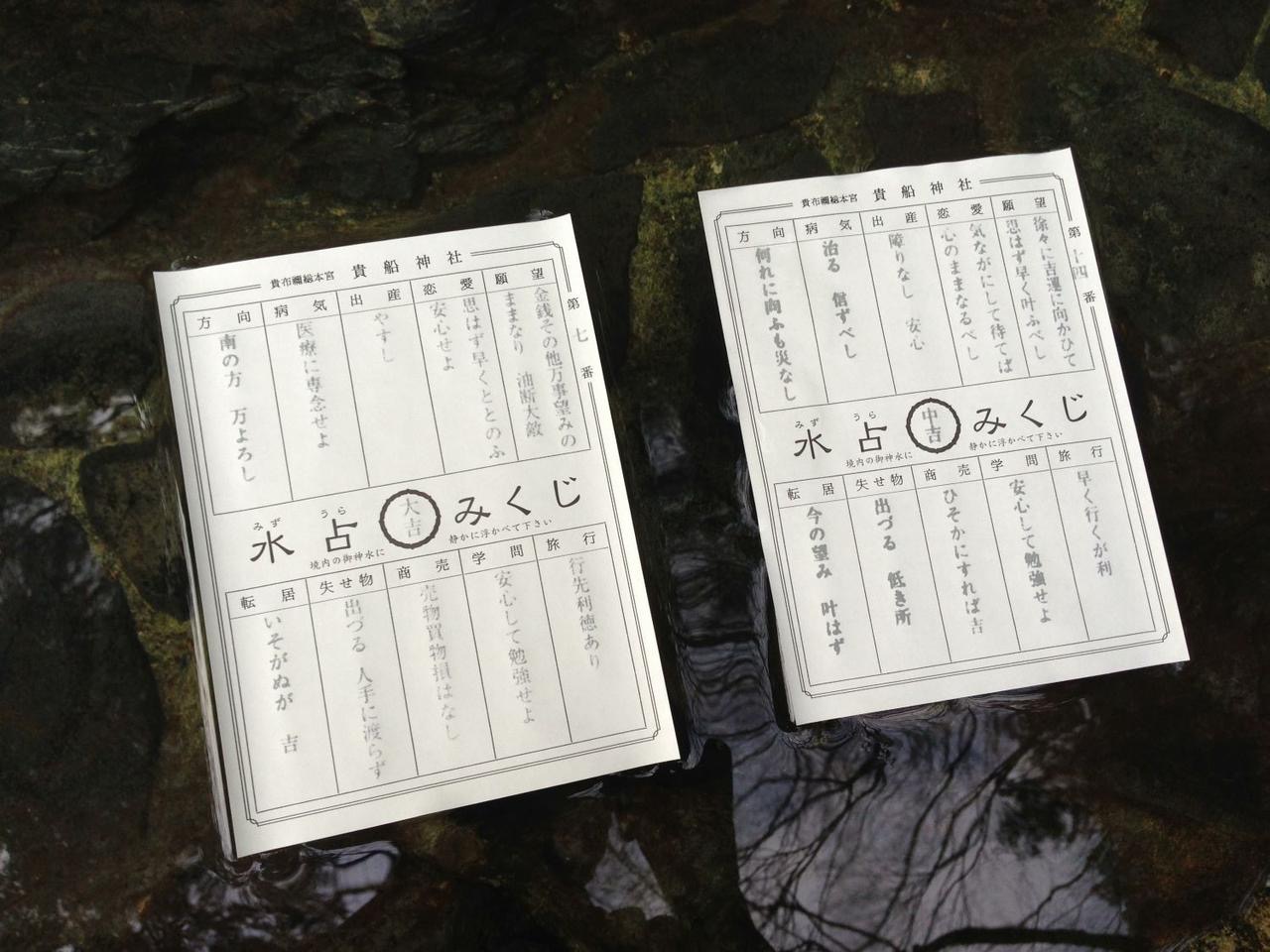
Nestled in the mountains of Kyoto, Kifune Shrine is an ancient sanctuary dedicated to the god of water and is famous for its mizu-ura mikuji—the “water fortune.”
Visitors first receive a blank-looking sheet of paper, then gently place it on the shrine’s pure spring water. As the paper floats, the hidden words slowly appear, revealing your fortune.
The sight of the letters emerging on the water’s surface is mesmerizing, and many visitors capture the magical moment in photos or videos—making it one of Kyoto’s most popular spots on social media.
Iwashimizu Hachimangū (Yawata, Kyoto)

Located in Yawata City in southern Kyoto, Iwashimizu Hachimangū is a historic shrine dedicated to Hachiman, the god of war and the protector of warriors.
Its signature omikuji is the charming “pigeon fortune” (hato mikuji), as the pigeon is a sacred symbol of Hachiman. The fortune is tucked inside a small pigeon-shaped charm.
After reading your fortune, it’s tradition to either take the charm home and display it for family peace and good luck, or tie it to the shrine’s special rack to offer your prayers.
Dazaifu Tenmangū (Fukuoka)

Dazaifu Tenmangū is one of Japan’s most important Shinto shrines and a beloved landmark of Fukuoka.
It enshrines Sugawara no Michizane, revered as the god of learning and scholarship. Because of this, the shrine is especially famous among students who visit before exams to pray for academic success.
Every year, millions of visitors come to pay their respects to Michizane and to enjoy the many art installations scattered throughout the spacious shrine grounds.
Tips for Enjoying Omikuji at Shrines

There are no strict rules when it comes to drawing an omikuji, but embracing it with respect for Japanese tradition makes the experience even more meaningful.
Locals often draw omikuji during important life moments—such as New Year’s visits (hatsumōde), weddings, childbirth, or before exams.
Even as a traveler, you can easily join in the custom at any shrine you visit.
Whether your fortune is good or bad, that small moment will become a memorable part of your journey in Japan.
Summary
Drawing an omikuji is more than just fortune-telling—it’s a small, heartwarming experience that adds excitement to your travels.
Since each shrine has its own unique design and style of omikuji, collecting them can be part of the fun.
Shrines can be found even in the middle of cities, making them easy to visit even on a short trip.
On your next journey to Japan, don’t just stop by a shrine for sightseeing—try drawing an omikuji.
The simple words written on that little piece of paper might turn your trip into something truly special and unforgettable.